Have you wondered how some communities tackle health challenges head-on? It’s like having a trusted insider who knows the neighborhood and its needs like the back of their hand. That’s where community health workers come in. They’re the bridge between healthcare and the people who need it most.
In this post, we’ll explore why community health workers are essential across the globe, and how they:
- Boost healthcare access
- Empower communities
- Improve health outcomes
- Tackle health inequalities
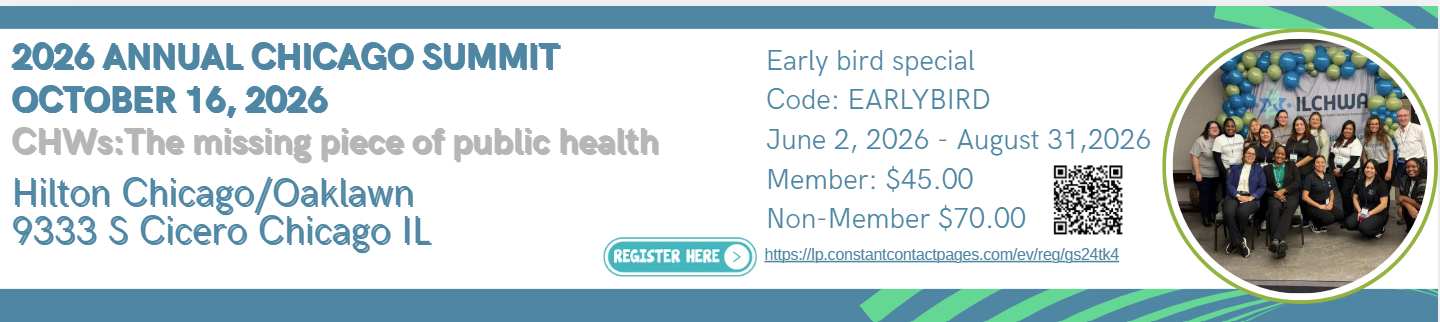
Speaking of community health workers, have you heard of the Illinois Community Health Workers Association (ILCHWA)? We’re all about supporting and amplifying the voices of CHWs in Illinois.
CHWs as the Link Between Communities and Healthcare Systems
Ever feel like there’s a disconnect between what happens at the doctor’s office and what goes on in your everyday life? That’s where community health workers step in. They act as a vital link, connecting communities with the broader healthcare system.
CHWs can:
- Improve communication: They help healthcare providers understand the unique needs and challenges of the community. This leads to more effective and culturally sensitive care.
- Increase trust: By building relationships with both residents and healthcare providers, CHWs foster trust and collaboration.
- Facilitate access: They help people navigate the healthcare system, making it easier to find the services they need.
- Provide feedback: CHWs share valuable insights with healthcare providers, helping them improve services and better meet community needs.
“Think of CHWs as the ‘glue’ that holds everything together.”
They ensure that healthcare systems are responsive to the communities they serve, leading to better health outcomes for everyone.
How CHWs Increase Healthcare Access
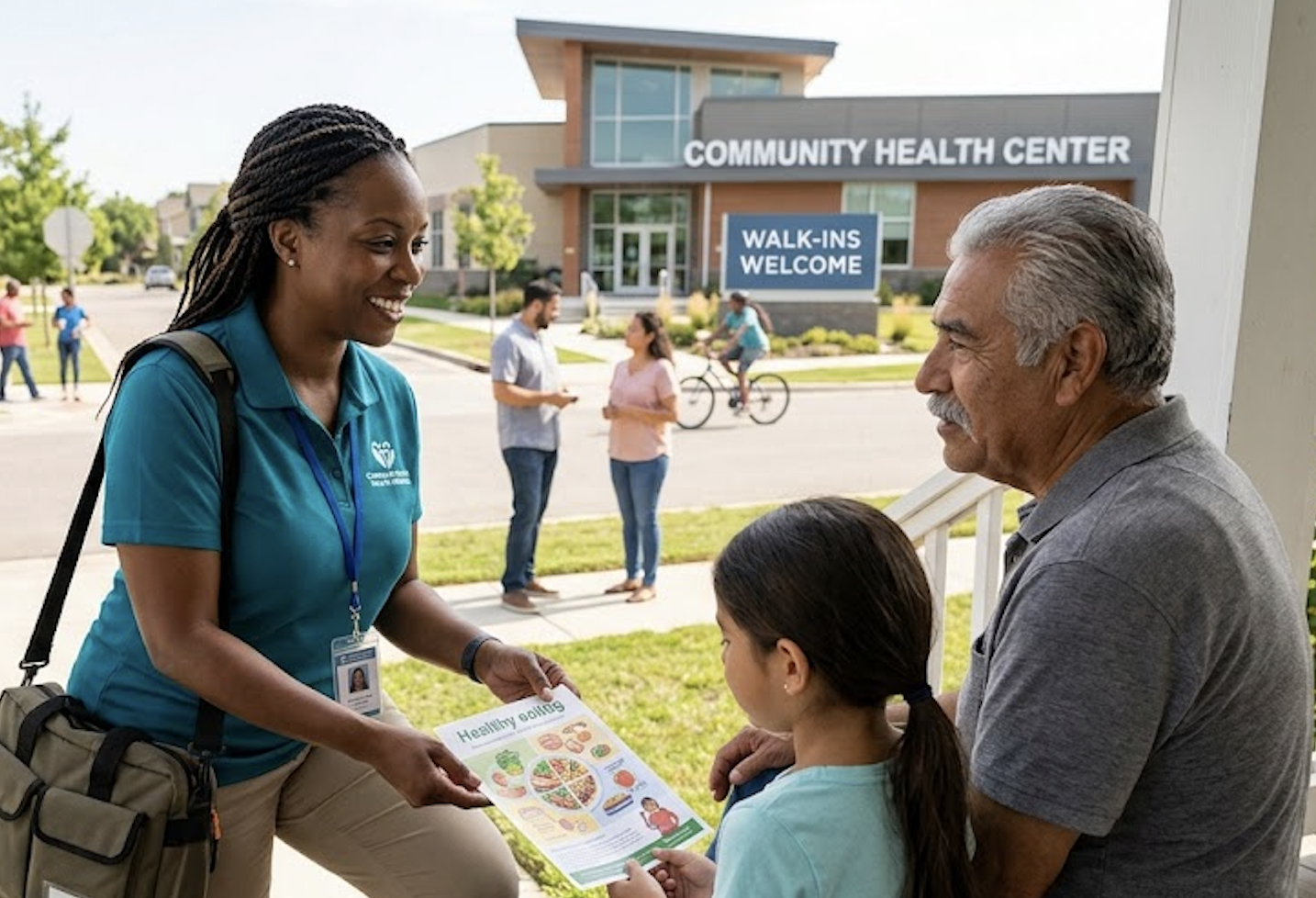
Think of community health workers as friendly neighbors who always know the shortcuts or the best local spots. They’re embedded in the community, speaking the language and understanding the culture. This makes them uniquely positioned to help people navigate the sometimes confusing world of healthcare.
Many factors can prevent people from getting the care they need—maybe they live miles from the nearest clinic, can’t afford transportation, or struggle to understand medical jargon. CHWs step in to address these challenges by:
- Providing transportation to appointments
- Offering translation services
- Helping people fill out forms and understand their treatment plans
- Connecting individuals with resources like childcare or financial aid
By doing so, CHWs help break down those pesky barriers that keep people from accessing essential healthcare services. It’s all about making healthcare easier and more accessible for everyone.
CHWs as Community Empowerment Engines
Community health workers do more than just link people to clinics. They act as catalysts, igniting community empowerment by:
- Building Trust: CHWs often come from the communities they serve. They understand the unique challenges and build trust with residents, making people more likely to seek help and follow through with treatment plans.
- Sharing Knowledge: CHWs educate communities about health issues, prevention strategies, and available resources. They equip people with the knowledge to make informed decisions about their health.
- Amplifying Voices: CHWs act as advocates, ensuring community voices are heard by healthcare providers and policymakers. They bring local perspectives to the table, shaping health initiatives that truly meet community needs.
CHWs help communities take charge of their own well-being. It’s like a “teach a man to fish” situation, but for health. They provide the tools and knowledge, empowering communities to create lasting change.
How CHWs Actually Improve Health
Community health workers aren’t just there for emergencies; they’re in it for the long haul. By addressing the root causes of health issues and providing ongoing support, they play a key role in improving overall health outcomes.
| Focus Area | Impact |
|---|---|
| Preventive Care | CHWs promote healthy behaviors and help people manage chronic conditions, reducing the need for costly hospital visits. |
| Early Detection | They’re often the first to identify health problems, allowing for early intervention and better treatment outcomes. |
| Improved Adherence | CHWs help people understand and stick to their treatment plans, leading to better disease management and fewer complications. |
It’s like having a health coach in your corner, cheering you on and helping you stay on track. This leads to healthier individuals and stronger communities.
Leveling the Playing Field: CHWs and Health Equity
Unfortunately, access to quality healthcare isn’t always equal. Factors like poverty, discrimination, and lack of resources can create significant health disparities. But here’s the good news: community health workers are on the front lines, fighting for health equity.
They do this by:
- Reaching Underserved Communities: CHWs often work in areas with limited healthcare access, bringing essential services to those who need them most.
- Culturally Sensitive Care: They understand the cultural beliefs and practices of the communities they serve, providing care that’s respectful and effective.
- Advocating for Change: CHWs identify systemic barriers to health equity and advocate for policies and programs that address those inequalities.
Essentially, CHWs help level the playing field, ensuring everyone has a fair shot at a healthy life, regardless of their background or circumstances.
Community Health Workers: Your Partners in Building a Healthier World
Community health workers are more than just healthcare providers; they’re the backbone of strong, healthy communities. They bridge gaps, empower individuals, and